Fertility After 35: What You Need to Know Before Trying
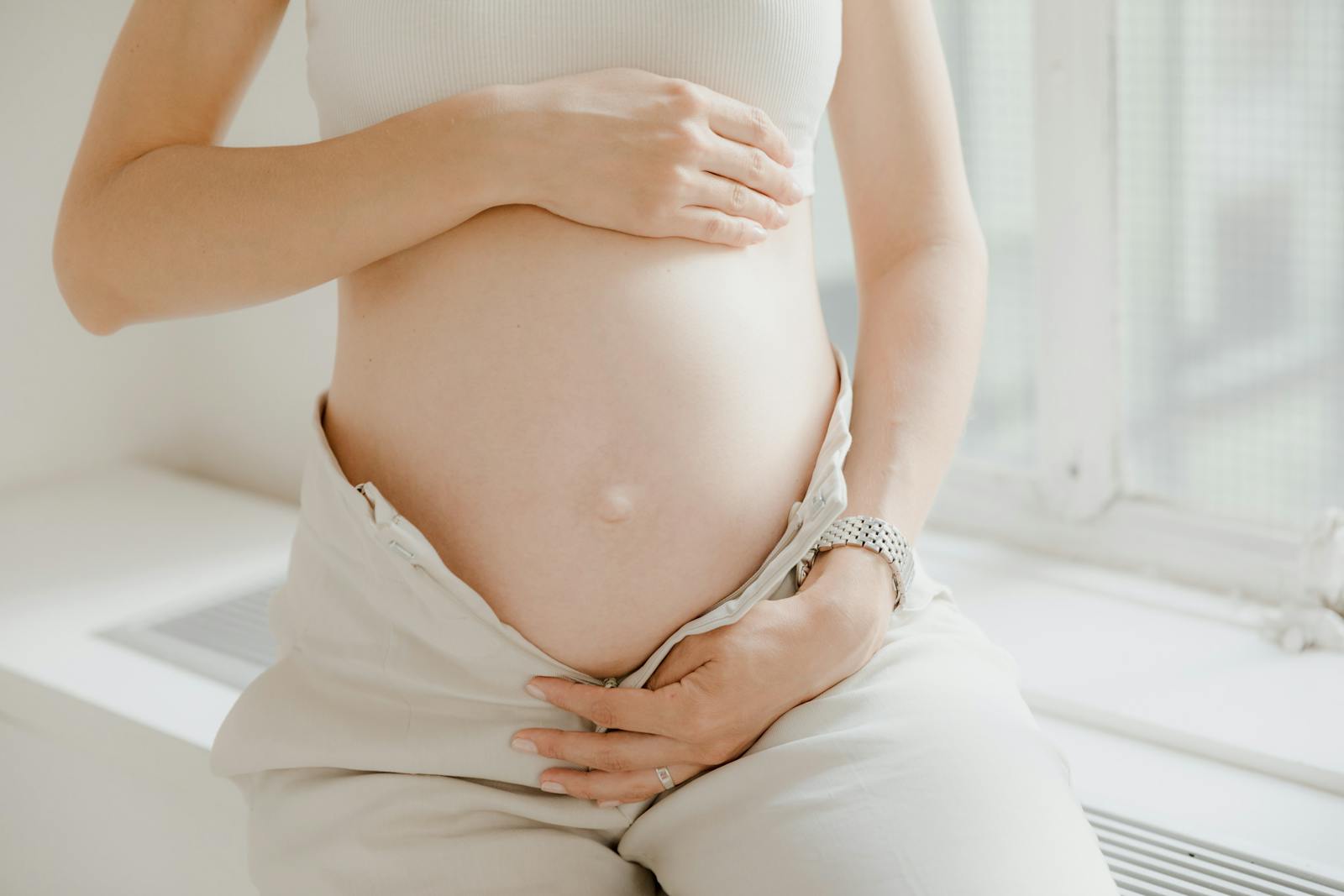
The decision to start a family after 35 is increasingly common in Malaysia. More women are pursuing careers, further education, or simply choosing to wait until the time feels right. While most women over 35 go on to have healthy pregnancies, it is important to understand how age affects fertility and what proactive steps you can take.
Fertility declines gradually from the early thirties and more steeply after 35. This is primarily because both the quantity and quality of eggs decrease with age. A woman in her early twenties has roughly a 25 per cent chance of conceiving each menstrual cycle. By 35, that drops to around 15 per cent, and by 40, it is closer to 5 per cent. These are averages — individual experience varies — but the trend is well-established.
The most significant change after 35 is not that pregnancy becomes impossible, but that it may take longer. Many couples over 35 conceive naturally within a year of trying. However, if you have been trying for six months without success, it is worth seeing a specialist rather than waiting the full year recommended for younger couples. Earlier investigation means earlier intervention if a problem is found.
Age also increases the risk of certain pregnancy complications. Women over 35 have a higher chance of developing gestational diabetes, pre-eclampsia, and placental problems. The risk of chromosomal conditions such as Down syndrome also rises — at 35, the chance is approximately 1 in 350, compared to 1 in 1,000 at age 25. This is why screening tests like the NT scan and NIPT are particularly important for older mothers.
There are steps you can take to optimise your fertility regardless of age. Maintaining a healthy weight, managing conditions like diabetes or thyroid disorders, taking folic acid supplements, limiting alcohol, and avoiding smoking all make a meaningful difference. Regular check-ups with an obstetrician before conception — sometimes called preconception care — can identify and address potential issues early.
If you are over 35 and thinking about pregnancy, the most empowering step is to speak with a specialist who understands the intersection of fertility and high-risk pregnancy care. Dr. Kartik Balaraman, as both an OBGYN and MFM sub-specialist at Columbia Asia Hospital Bukit Jalil, can assess your individual situation, advise on the right investigations, and provide the monitoring that older pregnancies benefit from.
Further reading
- Age and Fertility — ACOG (American College of Obstetricians and Gynecologists)
- Fertility: Assessment and Treatment for People with Fertility Problems — NICE (UK National Institute for Health and Care Excellence)
- Reproductive Ageing — Royal College of Obstetricians and Gynaecologists
Frequently Asked Questions
Can I still get pregnant naturally after 35?
Yes. Most women over 35 conceive naturally, though it may take longer. If you have been trying for six months without success, see a specialist for evaluation.
Does IVF guarantee pregnancy after 35?
No. IVF success rates also decline with age. For women over 35 using their own eggs, success rates are approximately 30-40 per cent per cycle. A specialist can discuss whether IVF is appropriate for your situation.
What tests should I have before trying to conceive?
Preconception screening typically includes blood tests for thyroid function, diabetes, and infectious diseases, a review of your medical history, and an assessment of ovulation. Dr. Kartik can arrange these at your first visit.
Is pregnancy after 35 considered high-risk?
Not automatically. Age over 35 is one risk factor, but many women in this age group have straightforward pregnancies. The key is appropriate monitoring and screening.
Have Questions About Your Pregnancy?
Speak with Dr. Kartik Balaraman directly for personalised guidance.
Book Consultation