Epidural: What Malaysian Mothers Should Know
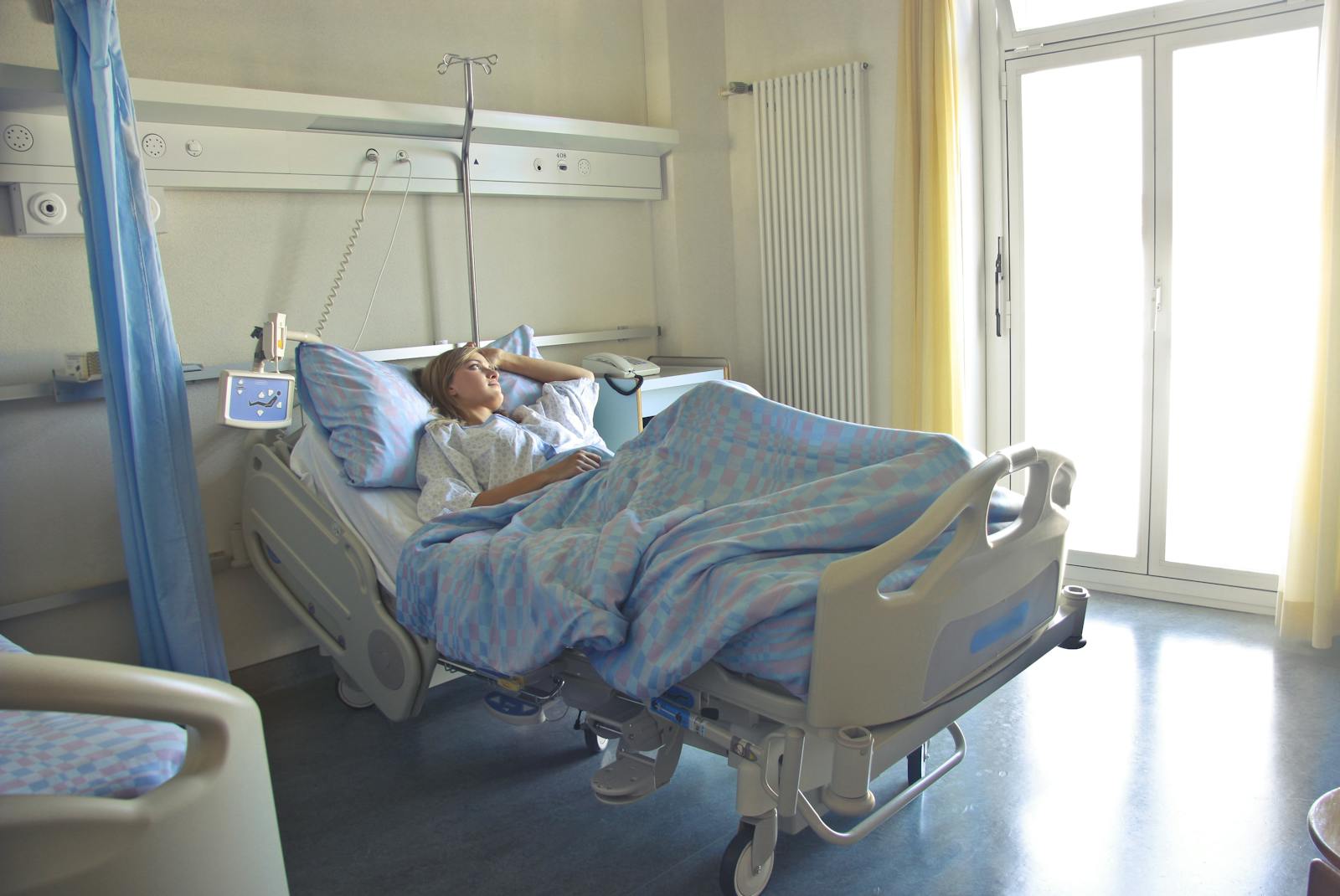
An epidural is the most effective form of pain relief available during labour. It involves injecting a local anaesthetic into the epidural space around the spinal cord, which numbs the lower half of the body. In Malaysia, epidurals are available in most private hospitals and are increasingly requested by mothers who want a more comfortable labour experience.
The procedure is performed by an anaesthetist. You will be asked to sit or lie curled forward while a thin catheter is placed into your back. The process takes about 15 to 20 minutes, and pain relief begins within 10 to 15 minutes after the medication is given. A continuous drip through the catheter keeps the pain relief steady throughout labour.
Epidurals are highly effective — they reduce labour pain by 80 to 90 per cent for most women. This allows you to rest during a long labour, which can be especially valuable if you need to conserve energy for the pushing stage. For high-risk pregnancies where close monitoring is needed, an epidural also means you are more comfortable if an emergency C-section becomes necessary, since the anaesthesia is already in place.
Like any medical procedure, epidurals have potential side effects. The most common are a drop in blood pressure, itching, and a mild headache. More serious complications such as nerve damage or infection are extremely rare. An epidural may also slow the second stage of labour slightly and increase the chance of needing an assisted delivery with forceps or vacuum, though it does not increase the overall C-section rate.
In Malaysia, epidural availability and cost vary between hospitals. In private hospitals like Columbia Asia, epidurals are available on request during labour. You can discuss your preferences with Dr. Kartik during your antenatal visits so that the team is prepared. It is perfectly acceptable to decide on an epidural during labour itself — you do not have to commit in advance.
Some women prefer to labour without an epidural, and that choice is equally valid. Dr. Kartik supports whichever decision feels right for you. The goal is a safe delivery and a positive birth experience, however you define that.
Further reading
- Epidural Pain Relief in Labour — NHS (UK)
- Neuraxial Analgesia and Anaesthesia for Labour — RCOG (Royal College of Obstetricians and Gynaecologists)
Frequently Asked Questions
Does getting an epidural hurt?
The local anaesthetic given before the epidural catheter is placed causes a brief sting. Most women describe the epidural placement as uncomfortable rather than painful, especially compared to labour contractions.
Can I walk with an epidural?
Traditional epidurals usually prevent walking. Some hospitals offer mobile epidurals (combined spinal-epidural) that preserve more leg strength. Ask your anaesthetist what type is available.
Will an epidural affect my baby?
The amount of medication that reaches the baby through an epidural is very small. Epidurals are considered safe for the baby. They do not cause the drowsiness that some other pain medications can.
When is it too late for an epidural?
An epidural can be placed at most stages of labour, but if you are already in the advanced pushing stage, there may not be enough time for it to take effect. Discuss this with your medical team when you arrive in labour.
Have Questions About Your Pregnancy?
Speak with Dr. Kartik Balaraman directly for personalised guidance.
Book Consultation