C-Section in Malaysia: When Is It Necessary?
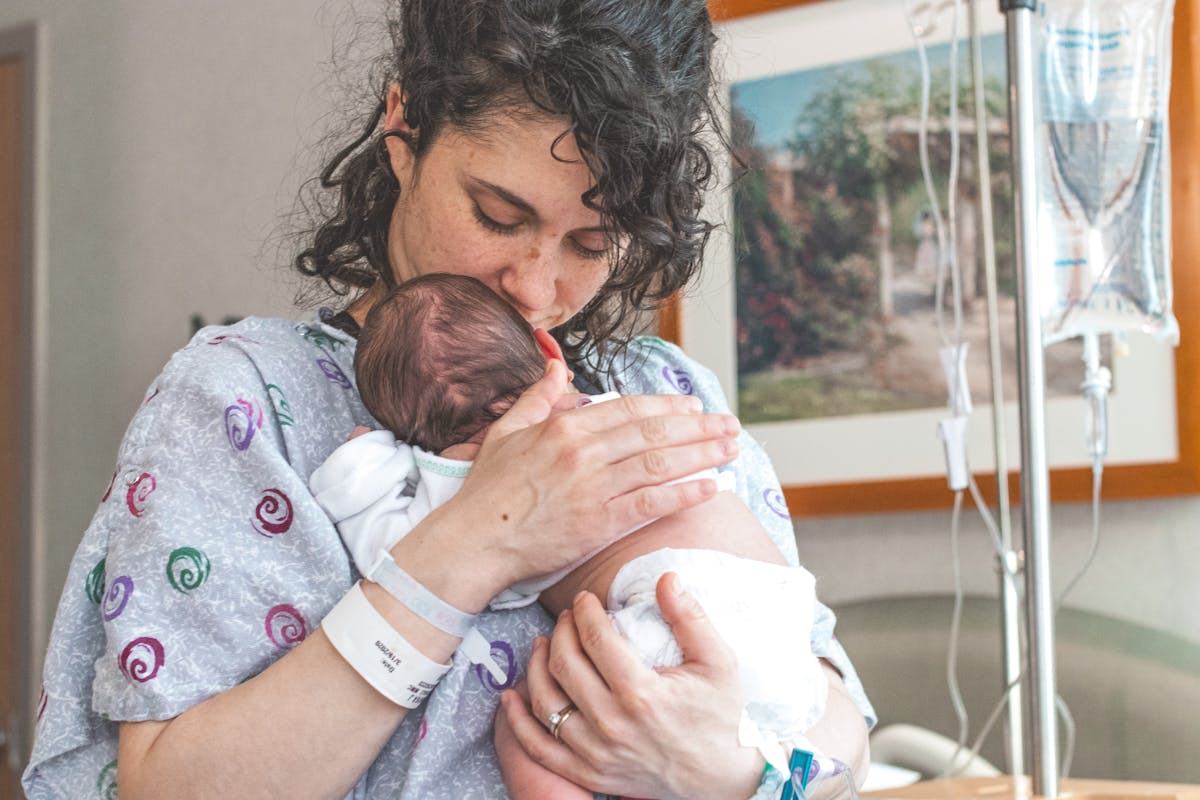
A caesarean section (C-section) is a surgical procedure where the baby is delivered through an incision in the mother's abdomen and uterus. In Malaysia, the C-section rate has been rising — currently around 25 to 30 per cent of births in private hospitals. Understanding when a C-section is medically necessary, versus when a vaginal birth is safe, helps you make informed decisions about your delivery.
There are clear medical situations where a C-section is the safest option. These include placenta previa (the placenta covers the cervix), a baby in breech or transverse position that cannot be safely turned, fetal distress during labour, a previous C-section with factors that make vaginal birth risky, cord prolapse, and certain maternal conditions such as active genital herpes or uncontrolled pre-eclampsia. In these cases, a C-section is not a choice — it is the responsible medical decision.
Planned (elective) C-sections are scheduled in advance when the need is known before labour begins. Emergency C-sections happen when complications arise during labour that require urgent delivery. Dr. Kartik Balaraman has extensive experience managing both planned and emergency C-sections, particularly in high-risk pregnancies where the decision-making is more complex and the timing more critical.
The procedure itself typically takes 40 to 60 minutes. Most C-sections are performed under spinal or epidural anaesthesia, which means you remain awake and can see your baby immediately after birth. A horizontal incision is made in the lower abdomen — often called a bikini-line incision — which heals well and is usually not visible in underwear or swimwear.
Recovery from a C-section is longer than from a vaginal birth. Most women stay in hospital for two to three days. Full recovery takes about six weeks, during which you should avoid heavy lifting, driving, and strenuous activity. Pain management is an important part of recovery, and your doctor will prescribe appropriate medication. Walking and gentle movement are encouraged from the day after surgery to reduce the risk of blood clots.
If you have had a previous C-section, you may be a candidate for vaginal birth after caesarean (VBAC) in a subsequent pregnancy. Whether VBAC is safe depends on the type of uterine incision, the reason for the first C-section, and your current pregnancy. Dr. Kartik can assess your suitability for VBAC and discuss the risks and benefits honestly.
Further reading
- Caesarean Section — NHS (UK)
- Cesarean Delivery — ACOG (American College of Obstetricians and Gynecologists)
Frequently Asked Questions
Is a C-section more dangerous than vaginal birth?
Both carry risks. C-sections have higher risks of infection, bleeding, and longer recovery. Vaginal births carry risks of perineal tearing and incontinence. The safest method depends on your individual circumstances.
Can I choose a C-section without a medical reason?
You can discuss a planned C-section with Dr. Kartik. He will explain the risks and benefits honestly and support whatever decision is right for you, but generally recommends vaginal birth when there is no medical reason for surgery.
How many C-sections can a woman have?
There is no fixed limit, but each subsequent C-section carries increasing risks of complications such as placenta accreta. Most specialists recommend no more than three C-sections, though individual circumstances vary.
Will I feel anything during a C-section?
With spinal or epidural anaesthesia, you will not feel pain. You may feel pressure and tugging as the baby is delivered, but it should not be painful. If you feel sharp pain, tell the anaesthetist immediately.
Have Questions About Your Pregnancy?
Speak with Dr. Kartik Balaraman directly for personalised guidance.
Book Consultation