Baby Scans During Pregnancy: Your Complete Guide
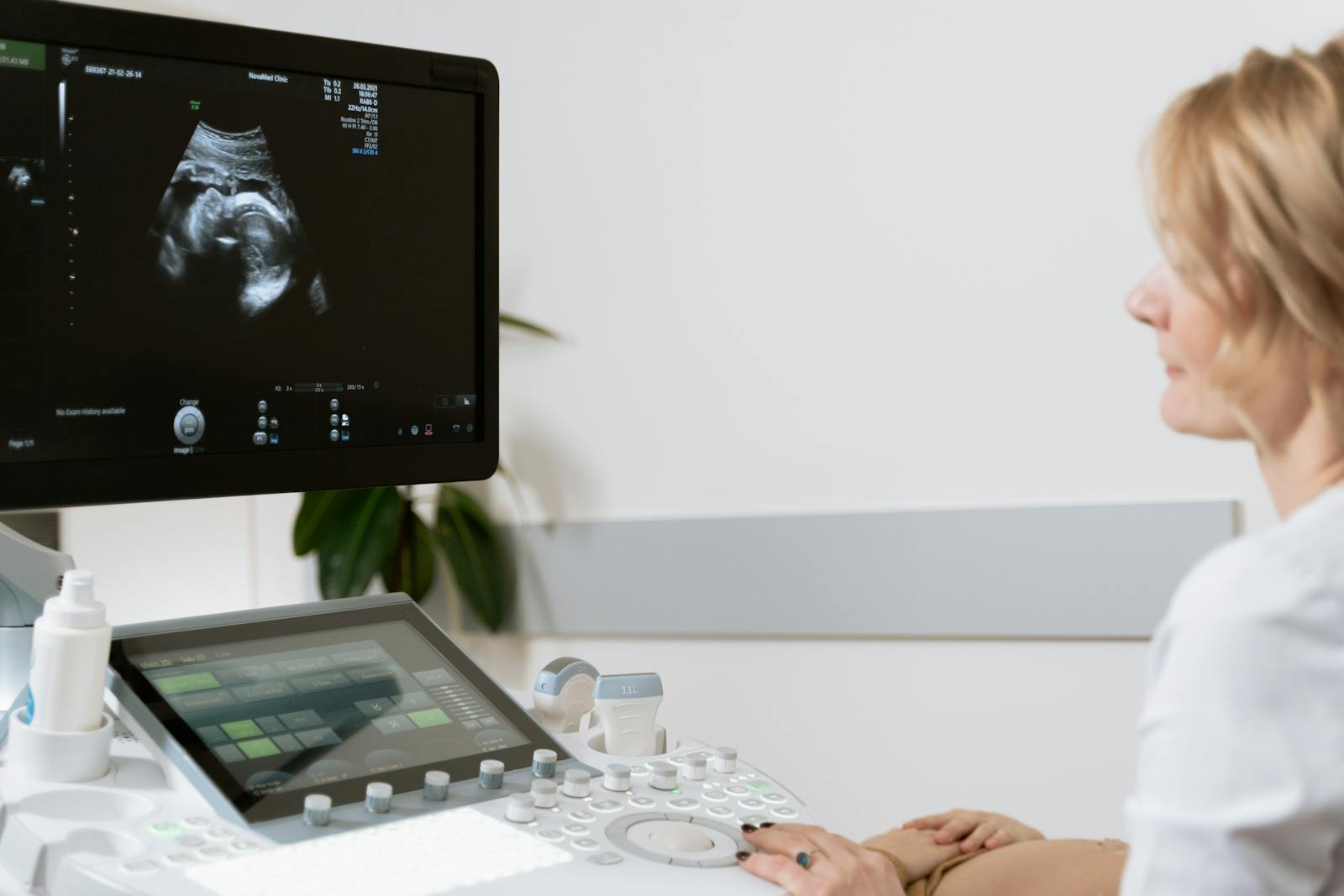
Pregnancy scans are one of the most important parts of antenatal care. They give you and your doctor a window into your baby's development, help detect potential problems early, and provide reassurance that everything is progressing well. But with several different scans scheduled at different stages, it is common for parents to feel unsure about what each one involves and why it matters.
This guide covers every scan you are likely to encounter during pregnancy in Malaysia — when it happens, what it checks for, and what the results mean. Dr. Kartik Balaraman, a Maternal Fetal Medicine sub-specialist at Columbia Asia Hospital Bukit Jalil, performs all of these scans personally, ensuring that each examination is thorough and expertly interpreted.
The first scan in most pregnancies is the dating scan, usually performed between 6 and 10 weeks. Its primary purpose is to confirm the pregnancy is developing inside the uterus (ruling out ectopic pregnancy), check the baby's heartbeat, and accurately determine your due date. An accurate due date is critical — it determines the timing of every subsequent scan and test throughout the pregnancy. If you are unsure of your last menstrual period or have irregular cycles, the dating scan is especially important.
Between 11 and 14 weeks, you will be offered the nuchal translucency (NT) scan. This measures the fluid space at the back of the baby's neck, which can be an early indicator of chromosomal conditions such as Down syndrome. The NT scan is usually combined with a blood test to give a more accurate risk assessment. While this scan cannot diagnose chromosomal conditions, it identifies pregnancies that may benefit from further testing such as NIPT (non-invasive prenatal testing) or amniocentesis. This is also the scan where you may first see your baby moving and forming — a memorable moment for many parents.
The detailed anomaly scan at 18 to 22 weeks is the most comprehensive scan of the pregnancy. It examines the baby's brain, spine, heart, face, limbs, kidneys, and other organs in detail. The sonographer or doctor checks the structure of every major organ system, assesses the placenta position, and measures the amniotic fluid volume. This scan detects structural abnormalities and growth issues, giving parents and doctors time to plan for any additional care the baby may need before or after birth. The quality of this scan depends heavily on the experience of the person performing it — an MFM specialist like Dr. Kartik brings years of advanced fetal imaging training to this critical examination.
In the third trimester, typically between 28 and 36 weeks, a growth scan may be recommended. This scan checks the baby's size and weight, monitors growth patterns, assesses blood flow to the placenta using Doppler studies, and verifies the baby's position (head down, breech, or transverse). Growth scans are particularly important for pregnancies identified as high-risk — those with gestational diabetes, hypertension, or a history of growth-restricted babies. Some pregnancies may need more than one growth scan in the third trimester, depending on the findings.
If your pregnancy is high-risk, your doctor may recommend additional scans beyond the standard schedule. These can include fetal echocardiography (a detailed heart scan), cervical length assessments (to predict preterm labour risk), and serial Doppler studies (to monitor blood flow in high-risk pregnancies). An MFM specialist is specifically trained to perform and interpret these advanced scans, which go beyond what a standard anomaly scan covers.
Each pregnancy scan serves a distinct purpose, and no single scan replaces another. Missing the window for the NT scan or the anomaly scan means missing the optimal time to detect certain conditions. This is why keeping to the recommended scan schedule matters — and why having a specialist who can perform and interpret every scan gives you the best chance of a smooth, well-monitored pregnancy. If you have questions about your pregnancy scans or want to book an appointment with an MFM specialist, speak with Dr. Kartik Balaraman at Columbia Asia Hospital Bukit Jalil.
Further reading
- Ultrasound Scans in Pregnancy — NHS (UK)
- ISUOG Practice Guidelines: Performance of the Routine Mid-Trimester Fetal Ultrasound Scan — International Society of Ultrasound in Obstetrics and Gynecology
- Fetal Chromosomal Abnormalities: Screening — ACOG (American College of Obstetricians and Gynecologists)
Frequently Asked Questions
How many scans do you get during pregnancy?
A typical low-risk pregnancy includes a dating scan (6-10 weeks), NT scan (11-14 weeks), anomaly scan (18-22 weeks), and sometimes a growth scan (28-36 weeks). High-risk pregnancies may require additional scans.
Is the anomaly scan the same as a 4D scan?
No. The anomaly scan is a medical examination that checks the baby's organs and development. A 4D scan is primarily for keepsake imaging. Some 4D scan providers do not perform the detailed structural checks that an anomaly scan requires.
What happens if the anomaly scan finds something?
If an abnormality is detected, Dr. Kartik will explain the finding, discuss its significance, and recommend next steps. This may include follow-up scans, additional tests, or referral to a paediatric specialist. Not all findings are serious — some resolve on their own.
Do I need a doctor's referral for a pregnancy scan?
No. You can book a scan directly with Dr. Kartik's clinic. Many patients self-refer, especially for the detailed anomaly scan or a second opinion on scan findings.
Are pregnancy scans safe?
Yes. Ultrasound scans use sound waves, not radiation. Decades of research have confirmed that diagnostic ultrasound at standard clinical levels is safe for both mother and baby.
Have Questions About Your Pregnancy?
Speak with Dr. Kartik Balaraman directly for personalised guidance.
Book Consultation