4D Scan vs Anomaly Scan: What is the Difference?
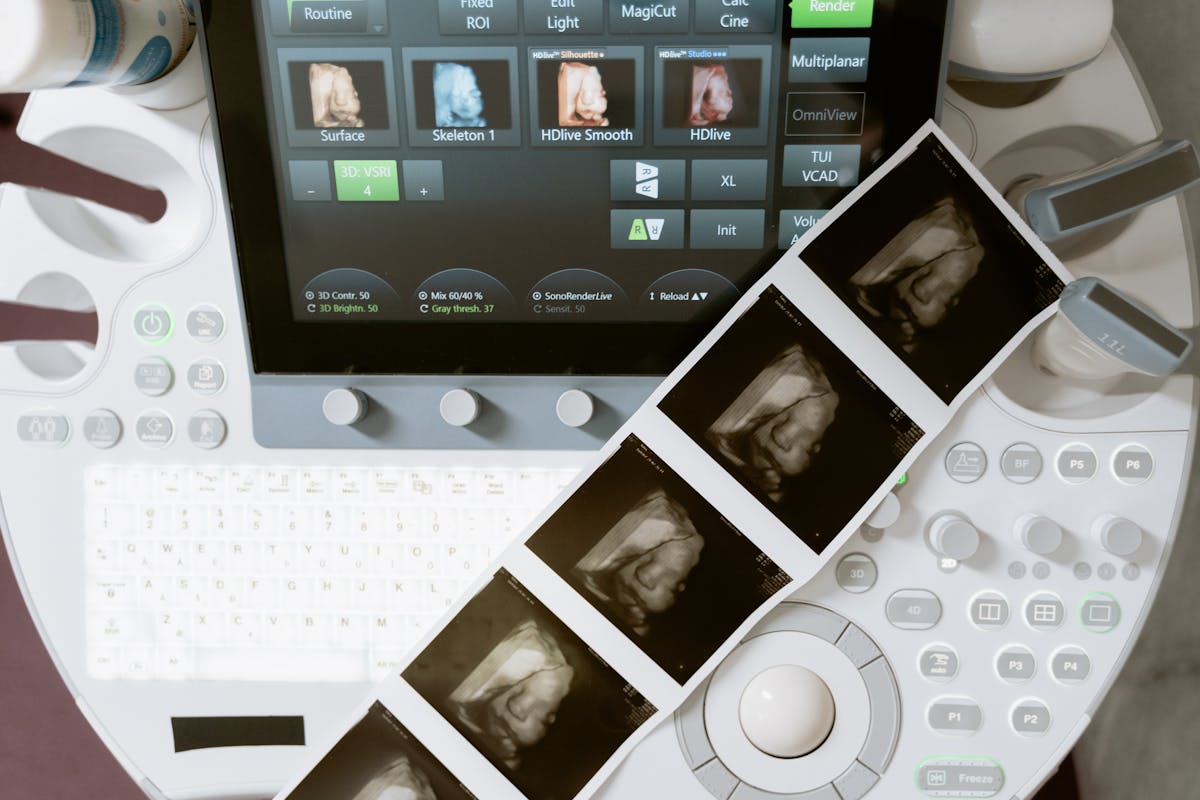
Many parents in Malaysia book a 4D scan during pregnancy to see their baby's face and capture keepsake images. While 4D scans can be a wonderful experience, it is important to understand that they are not a substitute for a medical anomaly scan. The two serve completely different purposes.
A detailed anomaly scan is a medical examination performed between 18 and 22 weeks. Its purpose is to check the baby's organs and structural development — the brain, heart, spine, kidneys, limbs, and every other major system. It is performed according to a systematic protocol, typically following ISUOG guidelines, and the findings are interpreted by a trained specialist. The anomaly scan can detect conditions that affect the baby's health and change the pregnancy management plan.
A 4D scan uses the same ultrasound technology but focuses on creating a three-dimensional video image of the baby's face and movements. It is designed for bonding and keepsake purposes, not for medical diagnosis. Most 4D scan providers — especially standalone commercial centres — do not perform the comprehensive organ-by-organ assessment that an anomaly scan requires.
The critical distinction is this: a clear 4D image of your baby's face does not tell you whether their heart, brain, or kidneys are developing normally. A baby can look perfect on a 4D scan and still have a structural abnormality that only a medical anomaly scan would detect. This is why every pregnancy needs a proper anomaly scan performed by a qualified specialist, regardless of whether you also have a 4D scan.
Some parents choose to have both — a medical anomaly scan with a specialist, and a separate 4D keepsake session. This is perfectly fine. The concern arises when parents skip the anomaly scan entirely because they believe the 4D scan covers the same ground. It does not.
Dr. Kartik Balaraman performs detailed anomaly scans personally at Columbia Asia Hospital Bukit Jalil, bringing his MFM training and fetal imaging expertise to every examination. If you have already had a 4D scan elsewhere, Dr. Kartik can still perform a full anomaly assessment — the two are independent, and a medical scan is always recommended.
Further reading
- Ultrasound Scans in Pregnancy — NHS (UK)
- ISUOG Practice Guidelines: Performance of the Routine Mid-Trimester Fetal Ultrasound Scan — International Society of Ultrasound in Obstetrics and Gynecology
Frequently Asked Questions
Can a 4D scan detect abnormalities?
Not reliably. A 4D scan may incidentally show obvious abnormalities, but it is not designed or performed as a medical screening tool. The anomaly scan follows a specific protocol and is interpreted by a specialist.
When is the best time for a 4D scan?
Between 26 and 32 weeks, when there is enough amniotic fluid and the baby has some fat on their face for clearer images. This is later than the anomaly scan window.
Is a 4D scan safe for the baby?
Diagnostic ultrasound at clinical levels is considered safe. However, prolonged keepsake scanning sessions with higher energy settings are not recommended. Keep 4D sessions short and avoid commercial providers who offer excessively long scans.
Have Questions About Your Pregnancy?
Speak with Dr. Kartik Balaraman directly for personalised guidance.
Book Consultation